How Often Should You Rotate Your Tires? | Van’s Tire Pros
How Often Should You Rotate Your Tires?
Tire care is one of those things drivers know they should stay on top of, but it’s easy to let it slide until something feels “off.” Around Van’s Tire Pro, customers ask about tire rotation frequency all the time, and it’s a smart question. Tires don’t wear evenly on their own, and a simple rotation can make a difference in how your vehicle handles, how long your tires last, and even how smooth your daily drive feels. When a tire shop sees hundreds of vehicles come through every month, you start to notice patterns—and tire wear is one of the biggest.
Rotating your tires isn’t complicated, but asking, "How often should tires be rotated and balanced?” and why it matters helps you stay ahead of problems instead of reacting to them. Think of it as a small investment that pays off in safety, performance, and savings.
Key Takeaways
- Regular tire rotations extend tire life and improve overall performance.
- Most vehicles need rotations every 6,000–8,000 miles.
- Uneven wear, vibration, and pulling are common signs that it’s time for a rotation.
- Balancing is often done during rotations to keep the ride smooth.
- Staying consistent with rotations saves money and boosts safety.
Why Tire Rotations Matter More Than You Think
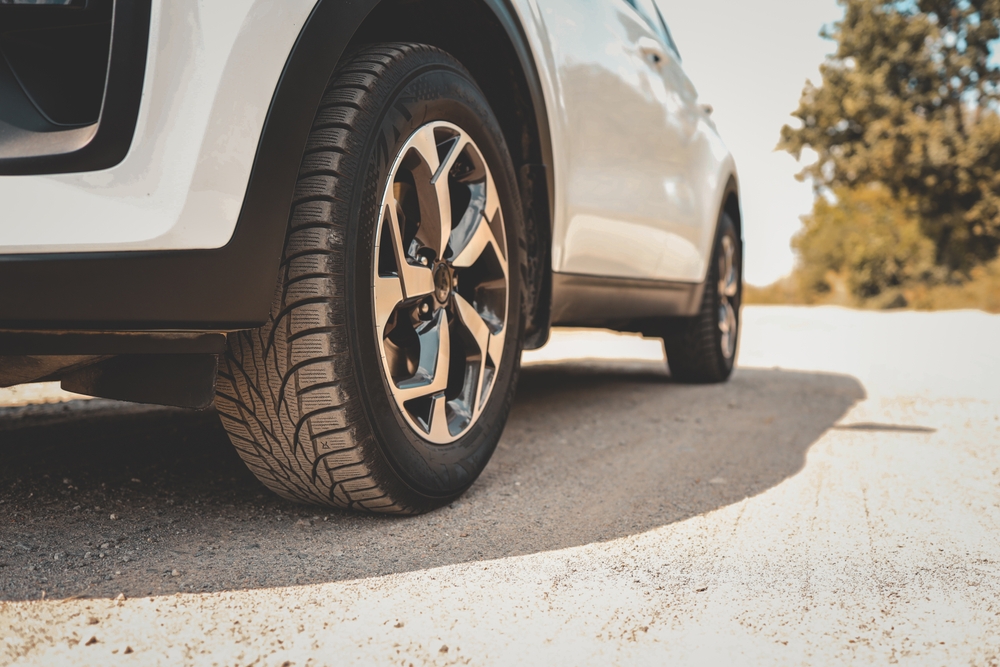
Every vehicle puts different pressure on its tires. Front tires usually carry more weight due to the engine and steering. Rear tires often wear more slowly. Over time, that uneven pressure creates uneven tread wear, and once that starts, it only gets worse.
A regular rotation helps distribute that wear more evenly. The result? Better traction, longer tire life, and a smoother ride. It also helps your vehicle stay predictable on the road—especially during quick stops or sharp turns.
And let’s be honest: nobody wants to buy new tires sooner than necessary.
So… When Should I Rotate My Tires?
Most drivers should rotate their tires every 6,000 to 8,000 miles. For many people, that lines up perfectly with oil changes, which makes it easy to remember. But driving habits, road conditions, and even the type of vehicle you own can shift that timeline a bit.
If you’re asking, “When should I rotate my tires?” here are a few helpful guidelines:
- If you drive primarily on highways, you may stretch the interval slightly.
- If you drive on rough roads, gravel, or stop‑and‑go traffic, you may need rotations more often.
- If you tow or haul heavy loads, your tires work harder and wear faster.
The safest bet is to follow your owner’s manual and check in with a trusted service team—like the one at Van’s Tire Pro—who can look at your tread and give you a personalized recommendation.
Signs Your Tires Need a Rotation
Even if you’re not counting miles, your vehicle will usually tell you when it’s time for a rotation. Some signs are subtle, while others are hard to miss.
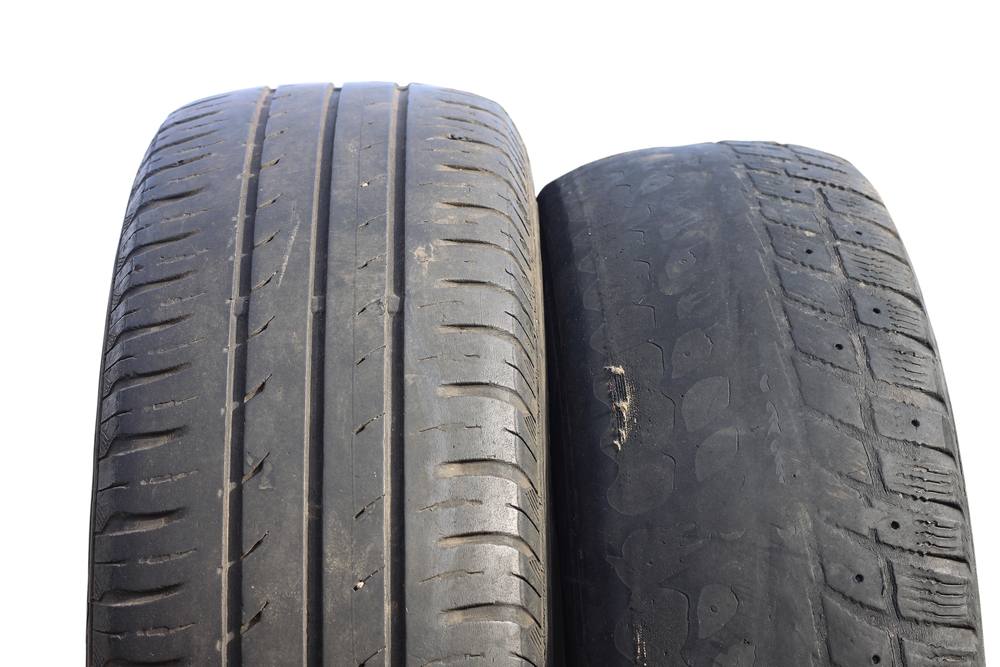
1. Uneven Tread Wear
If one tire looks more worn than the others, that’s a clear sign the tires aren’t sharing the workload evenly.
2. Vibration at Higher Speeds
A shaky steering wheel or cabin vibration often points to uneven wear or imbalance.
3. Pulling to One Side
If your vehicle drifts left or right, it could be an alignment issue—but uneven tire wear can also contribute.
4. Reduced Fuel Efficiency
Tires that aren’t wearing evenly create more rolling resistance, which makes your engine work harder.
5. Noisy Ride
Choppy tread patterns can create a humming or thumping sound as you drive.
If any of these sound familiar, it’s worth scheduling a rotation sooner rather than later.
What Happens During a Tire Rotation?
A proper rotation is more than just swapping tires around. A technician checks tread depth, tire pressure, and overall condition. If needed, they’ll also recommend balancing, which helps eliminate vibration and keeps the ride smooth. Many drivers ask, “How often should tires be rotated and balanced?” The truth is, balancing is often done at the same time, especially if you’re noticing vibration or uneven wear.
Rotations also give technicians a chance to spot early signs of issues like alignment problems, suspension wear, or damage you might not notice on your own.
Why Staying Consistent Matters
Skipping rotations might not cause immediate problems, but over time, it leads to:
- Shorter tire lifespan
- Higher long‑term costs
- Reduced traction
- Poorer handling
- Increased risk of blowouts
Consistent rotations help your tires wear evenly, which means you get the full value out of them. It’s one of the simplest ways to protect your investment.
Tire Rotations at Your Fingertips!
Tire rotations aren’t the flashiest part of vehicle maintenance, but they’re one of the most important. Staying on top of your tire rotation frequency keeps your vehicle safer, smoother, and more efficient. It also helps you avoid the frustration of having to replace tires sooner than expected. At Van’s Tire Pro, the goal is always to help drivers understand what their vehicles need and why it matters—because a bit of knowledge goes a long way toward keeping you confident on the road.
FAQ
How often should I rotate my tires?
Most drivers should rotate their tires every 6,000–8,000 miles, or as recommended by their vehicle manufacturer.
Do I need to balance my tires every time they’re rotated?
Not always, but balancing is helpful if you notice vibration or uneven wear.
Can skipping rotations damage my tires?
Yes. Uneven wear shortens tire life and affects handling.
Is tire rotation the same for all vehicles?
No. Front‑wheel, rear‑wheel, and all‑wheel‑drive vehicles all have different wear patterns.
Does rotating tires improve fuel efficiency?
It can. Evenly worn tires reduce rolling resistance, helping your engine work more efficiently.








